Project management has traditionally relied on project managers to gather information, track schedules, coordinate resources, and keep everyone informed. Status meetings, reports, and tracking spreadsheets have been essential tools for building a shared understanding of project progress.
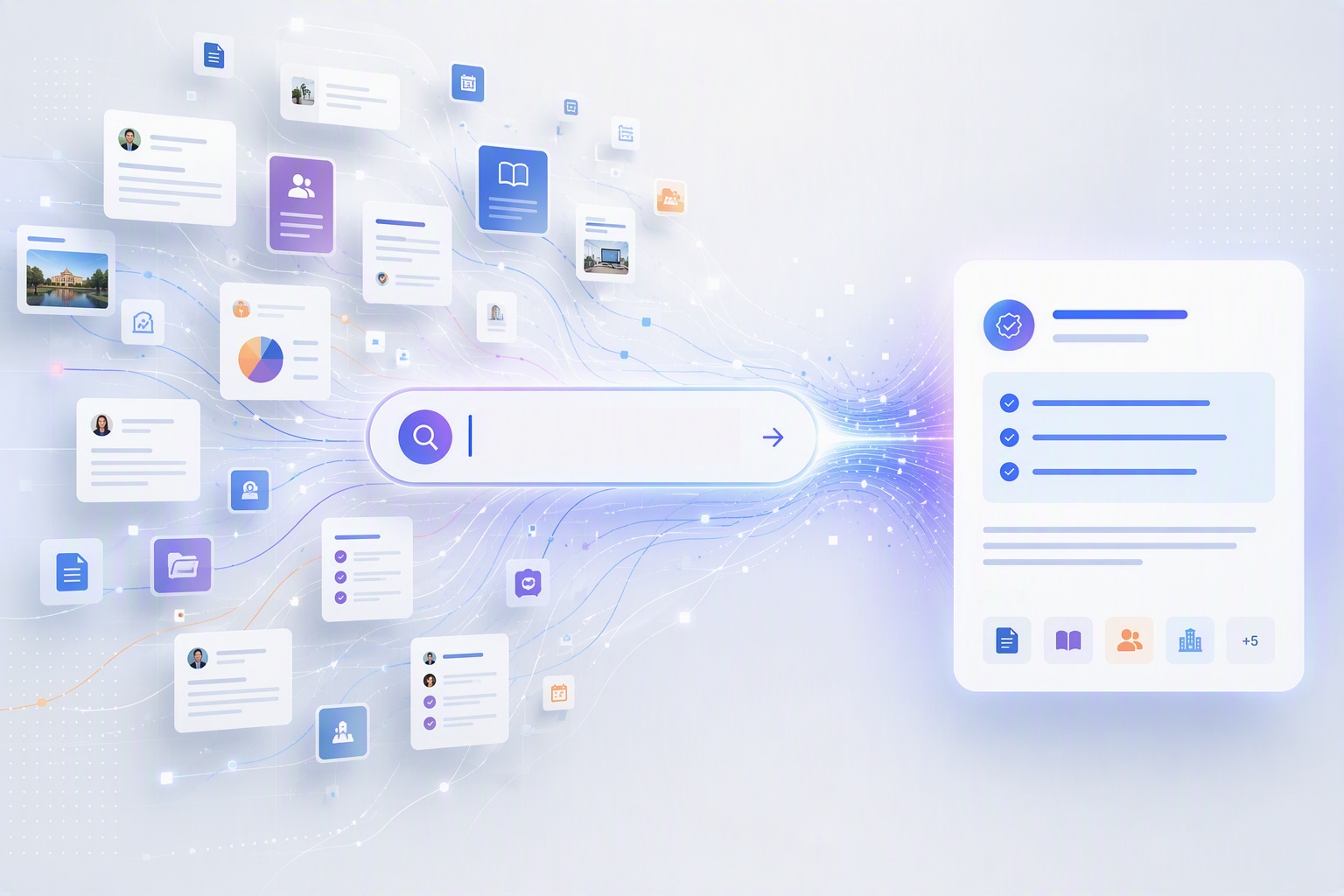
AI and automation are changing this approach. Project teams can gain continuous visibility into project status as work progresses, without necessarily relying on separate reporting processes. AI agents can monitor task progress, identify deviations, flag potential risks, and suggest actions to support project management.
However, information generated by AI agents is not automatically reliable, and their ability to operate independently does not remove human accountability. Project managers must be able to assess the accuracy of information and ensure that agents operate within clearly defined boundaries.
How AI agents are changing project monitoring and management
When project information is scattered across multiple systems, bringing it together into an up-to-date view takes time. AI agents can use information generated across digital work environments to automate parts of project monitoring and reporting.
AI agents can, for example:
- Monitor task progress and identify schedule deviations.
- Detect dependencies, bottlenecks, and potential project risks.
- Consolidate current project information from multiple sources.
- Generate summaries and recommend next steps.
- Support project managers in decision-making and prioritization.
Microsoft’s 2026 Work Trend Index highlights the growing role of AI agents in getting work done, alongside the responsibility people retain for directing that work. The research also emphasizes the need for organizations to rethink their leadership practices and ways of working as they adopt AI.
Using AI agents changes how responsibilities are divided between project managers and technology. An up-to-date view of project status, supported by AI agents, can improve decision-making, help teams address risks earlier, and support more effective resource allocation. Realizing these benefits, however, requires a critical approach to the information agents produce.
For example, a project plan may specify a deployment date even though meeting notes indicate that the date cannot be confirmed until an outstanding security test is completed. An AI agent might nevertheless present the planned date as a confirmed decision.
The problem may not lie solely in the AI-generated response. It may also stem from the underlying sources or how the agent’s output is interpreted and used. Project managers need to distinguish preliminary information from confirmed decisions and ensure that important decisions are based on reliable information.
From coordination to managing outcomes
When an up-to-date project status is available before a meeting, status meetings can focus on problem-solving and decision-making rather than reviewing completed and outstanding tasks. Project oversight is no longer limited to scheduled meetings, allowing teams to respond to issues as they arise.
However, project management is about more than having an up-to-date view of project status and making decisions efficiently. Project success is not determined solely by whether tasks stay on schedule and resources remain within planned limits. What matters is whether the project delivers its intended business outcomes.
In projects that use AI agents, managing outcomes also means carefully selecting where AI can add value. Project managers need to identify which tasks can genuinely benefit from AI agents and how those benefits will be evaluated. The key measure is not how many tasks are automated, but how effectively AI supports project objectives and improves results.
The future project manager leads both people and AI agents
As AI agents become more common, the skills required for project leadership are changing, but accountability for managing projects remains with people. Success depends not only on the project manager’s capabilities but also on organizational support for using AI safely and effectively.
According to the World Economic Forum’s Future of Jobs Report 2025, analytical thinking, resilience, flexibility, leadership, and social influence are among the most important skills in the workplace. These capabilities are equally relevant to project leadership, where AI is changing how work gets done and increasing the importance of critical thinking and human collaboration.
For project managers, key capabilities include business acumen, the ability to see the bigger picture, people leadership, and the skills to interpret data and guide AI agents.
Business acumen and decision-making. Project managers must understand the broader project context and evaluate how different options affect organizational goals. Technology-generated insights can inform decisions, but they cannot determine the best course of action for the business on their own.
Stakeholder and people leadership. Projects depend on collaboration and a shared sense of direction. Effective AI adoption also requires supporting people’s skills and motivation, addressing concerns about AI use, and creating opportunities to learn new ways of working. Engaging people and leading change remain essential responsibilities.
Data interpretation and AI agent oversight. Project managers need to understand what information agents use, what conclusions can reasonably be drawn from their outputs, and when human judgment is required. They must also understand how to define agents’ tasks and authority, including when human approval or a decision is necessary.
Leading AI agents requires clear accountability and governance
Using AI agents in project work requires more than effective processes and high-quality data. Organizations also need clear principles governing how agents operate. An agent’s technical ability to act autonomously does not mean it can assume accountability for its decisions.
Defined boundaries. Each agent needs a clearly defined scope of work, including the data sources and tools it can access and the actions it is permitted or prohibited from taking. Significant actions or those that are difficult to reverse require human approval before execution.
Traceability. Organizations must be able to determine what information an agent used and what actions it performed. Agent activity must be distinguishable from human activity so that responsibilities can be established and potential errors investigated.
Control and oversight. Organizations must be able to monitor, restrict, and, when necessary, stop agents from operating. They also need to define who is responsible for agent activity and how its use will be supervised.
Alongside effective AI governance, organizations must strengthen people’s skills and motivation. Successful collaboration depends on people having the capabilities to work with AI while agents operate within predefined boundaries.
The future of project leadership depends on human–AI collaboration
AI agents are changing project practices and creating new opportunities to divide work between people and technology. As routine monitoring and coordination tasks become increasingly automated, project managers can devote more time to leading the overall project, making decisions, and advancing business objectives.
The project manager’s role is not disappearing, but its responsibilities are evolving. Leading people now goes hand in hand with directing and overseeing AI agents.
Successful project leadership means strengthening people’s ability and opportunity to use AI while defining, monitoring, and controlling what agents are allowed to do. Accountability for project decisions and their consequences remains with people.
Henry Scheinin
Chief Operating Officer